Installation & Structural Reinforcement
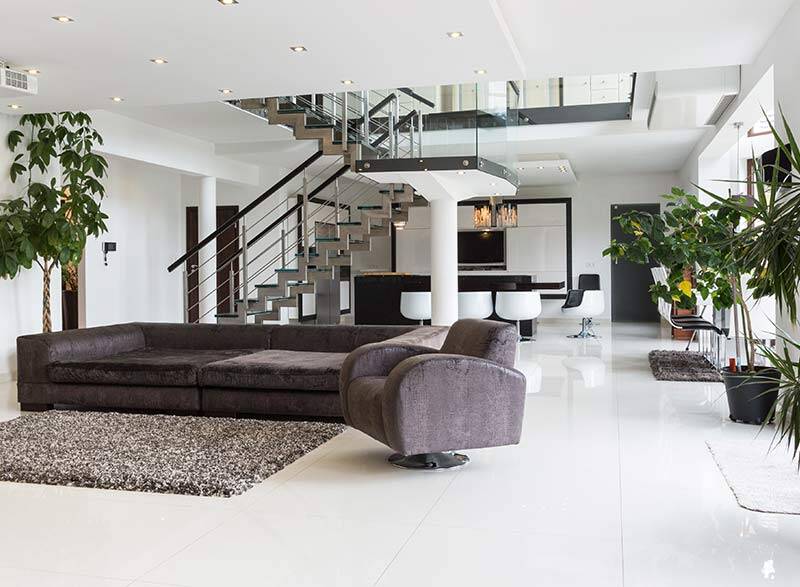
Where can a home lift be installed?
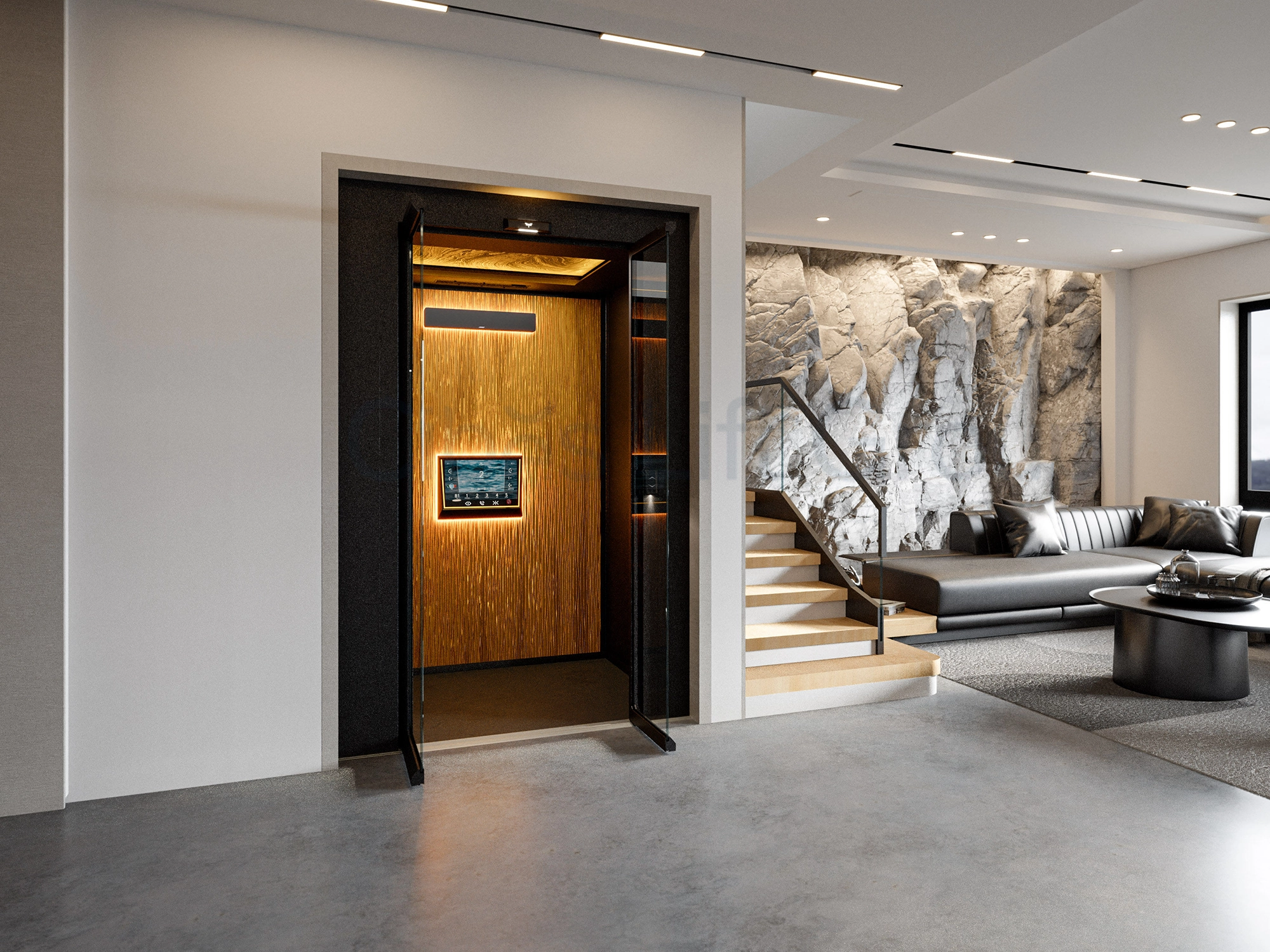
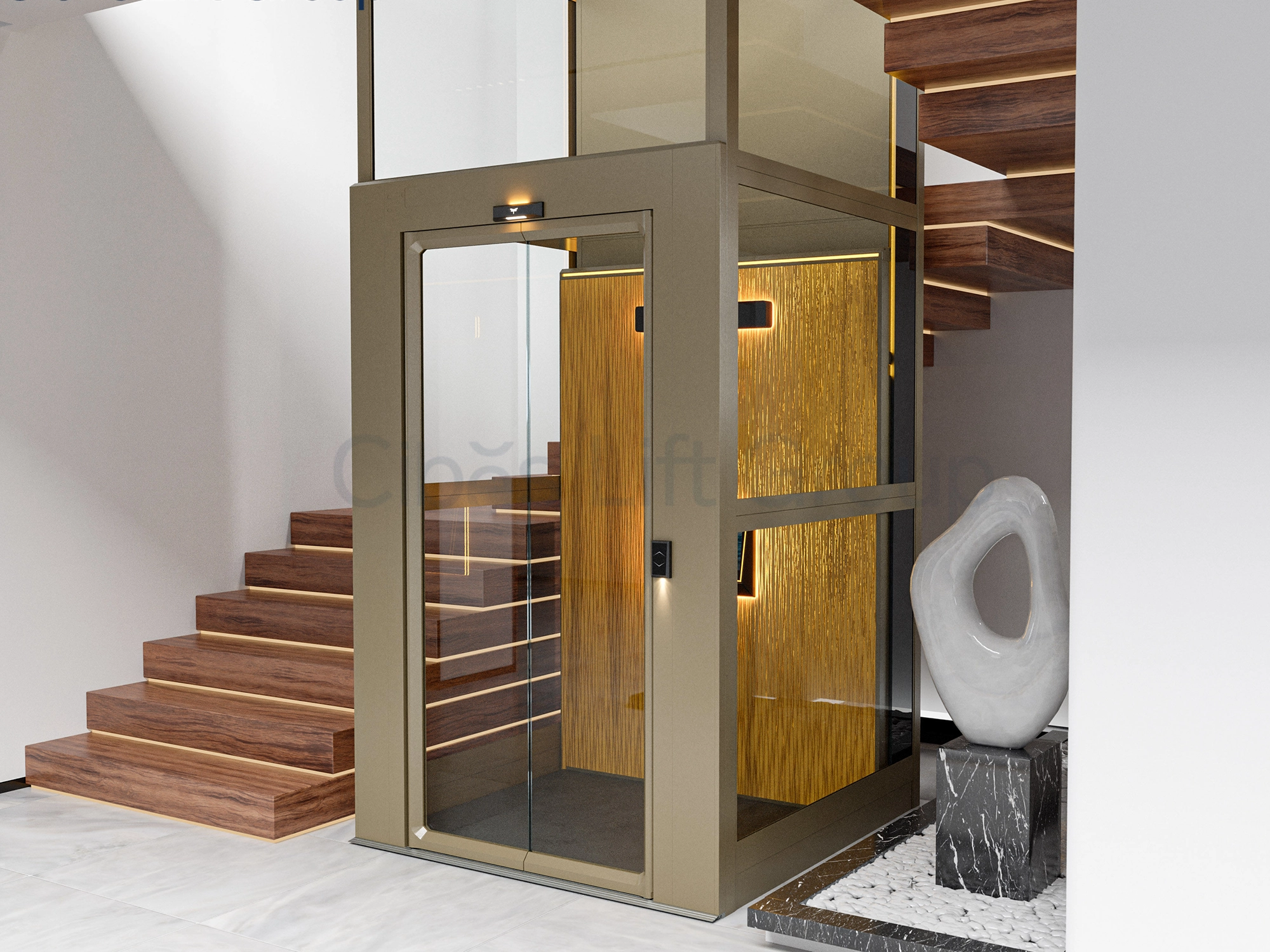
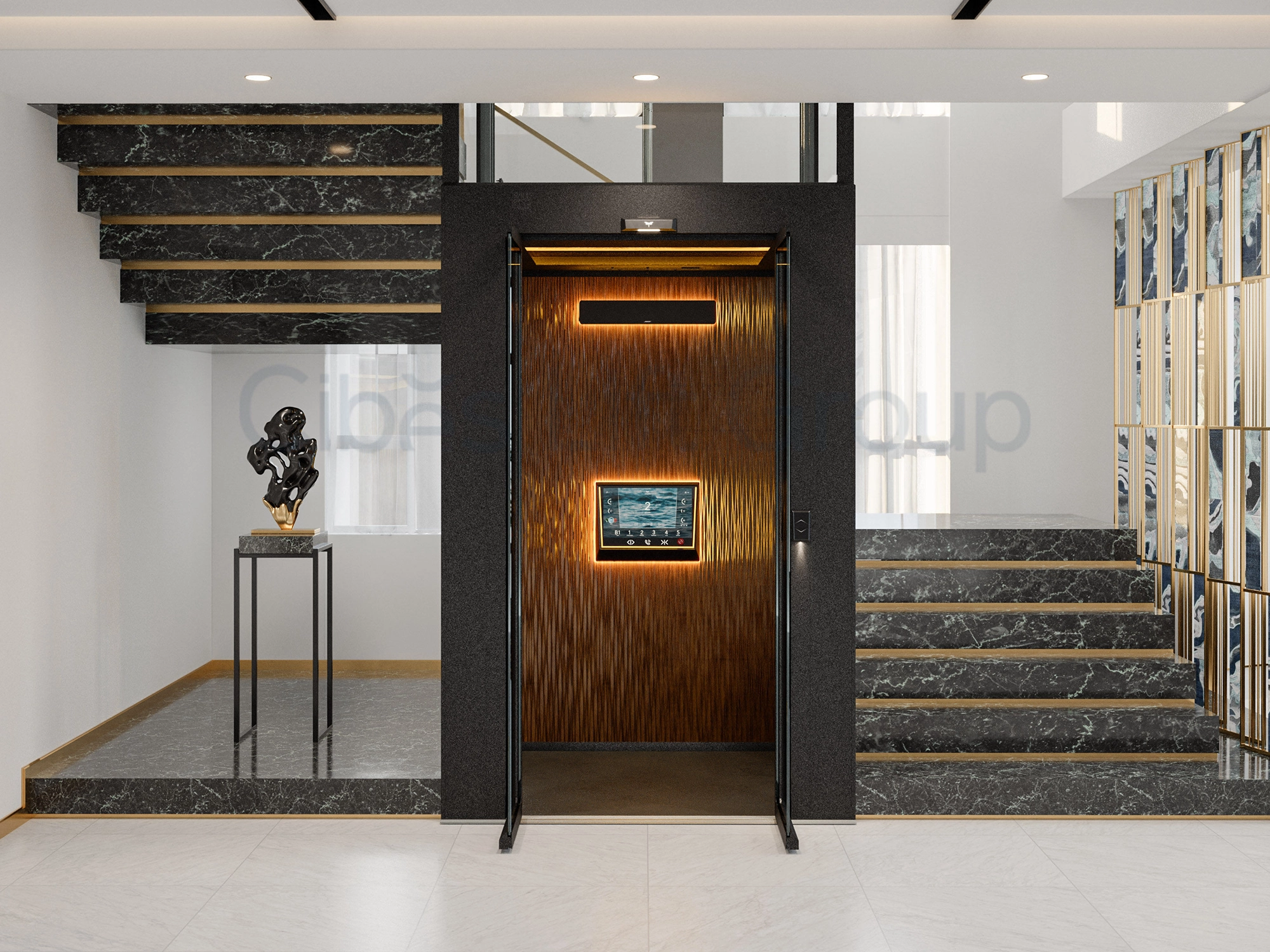
There are five common installation options for a home lift:
- Installed within an existing lift shaft
- Installed against a wall
- Installed in the centre of a staircase
- Installed alongside a staircase
- Outdoor installation
Can an existing home be fitted with a home lift?
Yes. KALEA home lifts do not require a lift pit, a separate machine room, or significant overhead clearance. Because no lift pit excavation is required, the existing floor structure and underfloor heating system can remain undisturbed during installation.

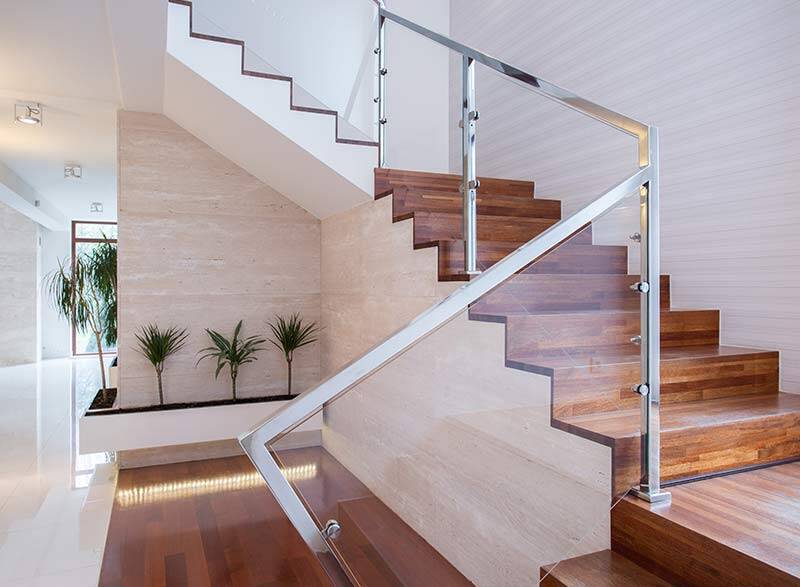
Can a home lift be installed in the centre of a narrow staircase?
Yes. Even if the planned installation location is in the centre of a staircase with limited space, KALEA’s experienced professionals can assess the site and provide the most suitable installation solution.
What is the minimum space required for a home lift?
The minimum internal platform size for a home lift starts from 600 × 800 mm. With a footprint of less than one square metre, it typically has a load capacity of approximately 250–300 kg and can accommodate one to two passengers. As dimensions vary between manufacturers, it is recommended to compare different models and, where possible, experience them in person before making a purchase.
The minimum space required for a KALEA home lift is 1000 × 980 mm. KALEA offers a range of lift sizes to suit different homes and installation requirements.
* The dimensions above are provided for reference only (unit: mm). Actual dimensions may vary depending on the installation requirements and site measurements.

Which type of home lift is the safest?
The safety of a home lift depends on a combination of factors and should be evaluated comprehensively. However, screw-driven home lifts are widely recognised as one of the safest options for residential use due to their multiple built-in safety features and the inherent characteristics of the screw-drive mechanism.
In a screw-driven home lift, the drive nut travels along the threaded screw to move the lift platform up and down. In the event of a power failure, the unique mechanical engagement between the screw and drive nut allows the lift to descend at a controlled, very slow speed. In addition, modern screw-driven home lifts are equipped with an emergency UPS (battery backup), enabling the lift to travel to the nearest floor and automatically open the door during a power outage so that passengers can exit safely.
Due to the characteristics of the screw-drive system, the maximum travel height is limited. As a result, screw-driven home lifts are generally recommended for buildings of up to six storeys, which also helps limit the operational risks associated with greater travel heights.
What is included in the cost of a home lift?
The cost of a home lift varies depending on the brand and whether it is manufactured domestically or imported. It typically includes the lift equipment, lift shaft, shipping costs, customs duties, insurance, on-site unloading, lifting and handling charges, import duties, import value-added tax (VAT), installation costs, and other related expenses.
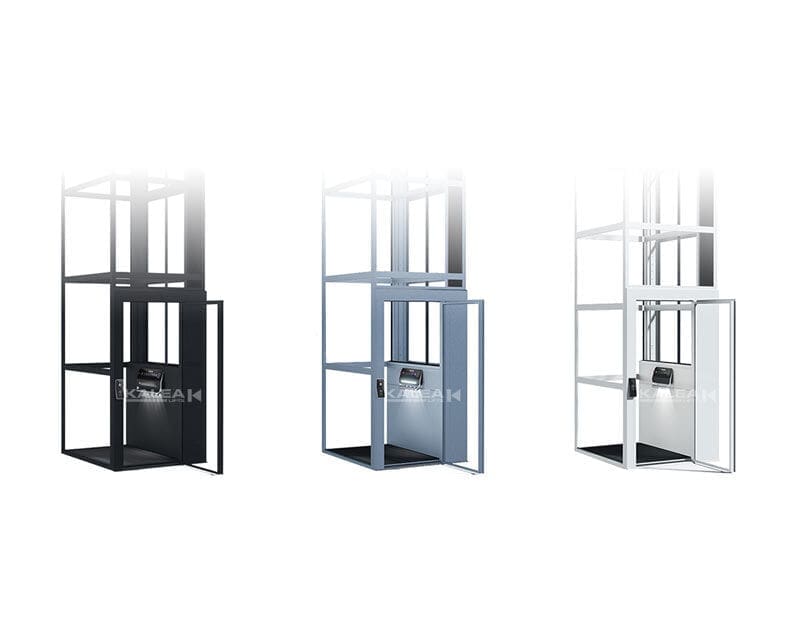

Home Lift Quotations
A home lift quotation consists of several cost components. One of the primary factors affecting the total price is the number of floors the lift will serve, as costs vary according to the travel height and number of stops.
The second factor is the type of home lift. The three most common types are screw-driven home lifts, hydraulic home lifts, and traction home lifts.
Finally, pricing also varies between brands. There are many home lift manufacturers on the market. When choosing a home lift, it is advisable to select a company with strong brand recognition, a significant market presence, a local Experience Centre, efficient on-site installation, and reliable after-sales service.